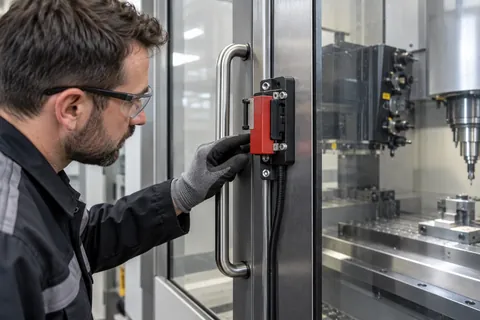
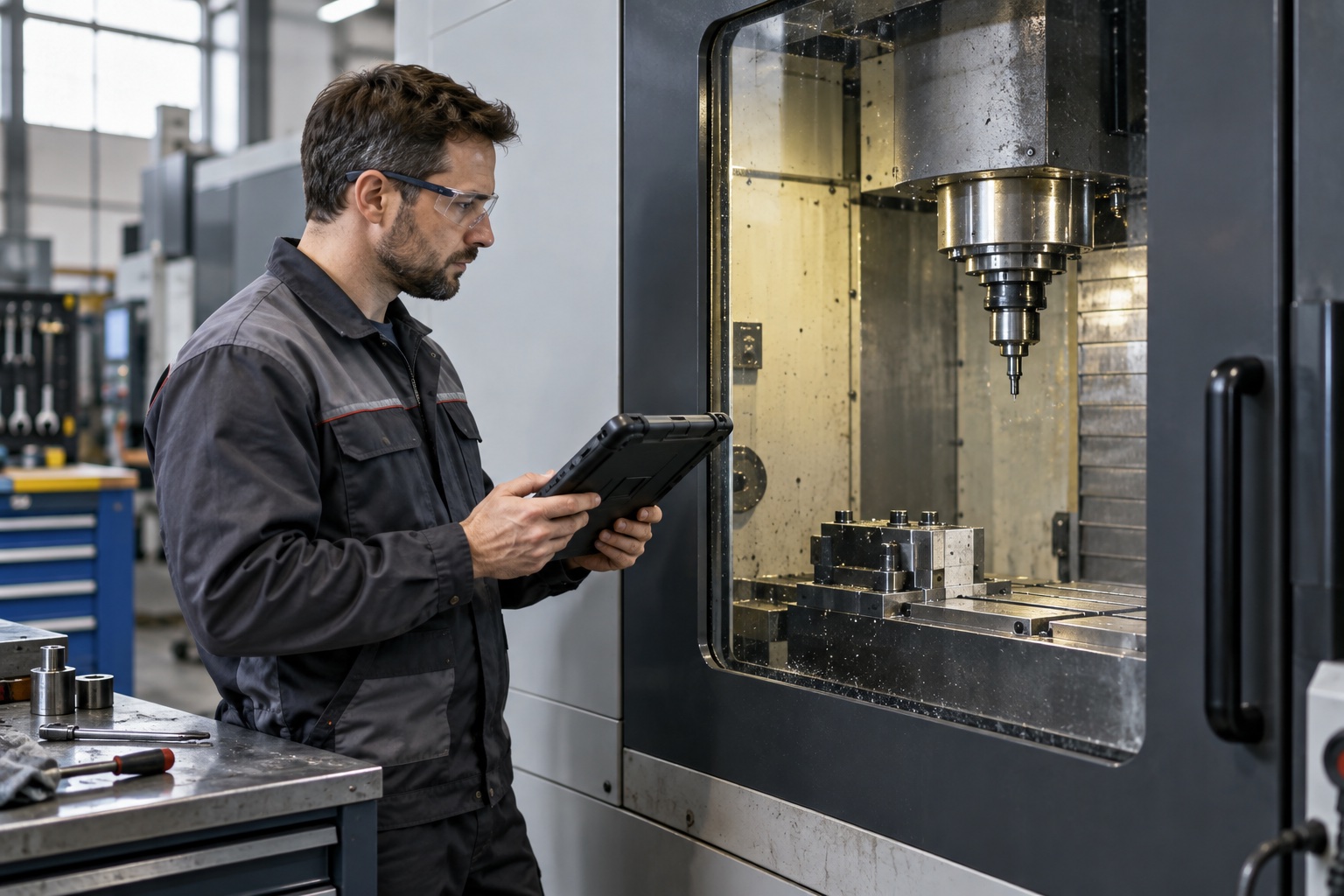
The EU’s September update to harmonised machinery standards gives equipment buyers a reason to revisit supplier documentation. A quotation that says only “complies with ISO” leaves unanswered which edition was used, what part of the machine it covers and how the supplier has addressed the complete application.
India has withdrawn the Machinery and Electrical Equipment Safety Omnibus Technical Regulation Order, 2024. For overseas equipment suppliers and Indian buyers, the January notification changes an important assumption behind compliance planning, but it does not provide a blanket exemption from every product rule.
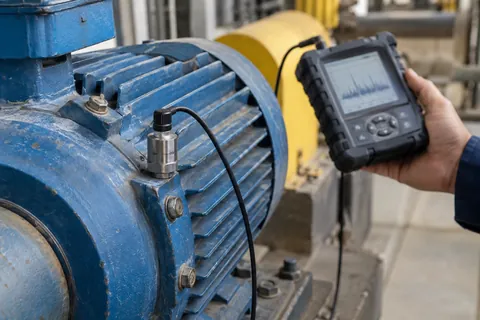
A vibration sensor can report a change in a machine. Whether that information prevents a breakdown depends on what the maintenance team does next, how much warning it has, and whether the reported change actually indicates a developing fault. Connectivity makes information available. It does not complete the maintenance decision.
Machine vision can help equipment interpret its surroundings, but a recognizable image is only one part of reliable guidance. The system must identify relevant objects, estimate position and distance, and support a decision that remains appropriate as the machine and environment change.
The latest robot-market figures show the scale of industrial automation. They do not, by themselves, establish whether a particular factory should buy a robot.
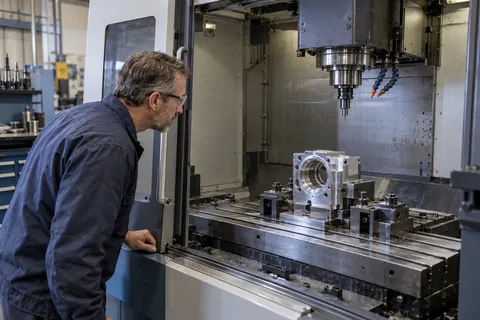
A rise in machine-tool orders can signal investment without implying that every equipment supplier faces the same market. Order value, machine count, customer industry and the timing of delivery describe different parts of the capital-spending cycle.
A machine may generate a continuous stream of operating data while its owner still struggles to obtain the information needed for a service decision. With the EU Data Act applying from 12 September, access to that information is becoming a more explicit part of the relationship between equipment users, manufacturers and maintenance providers.
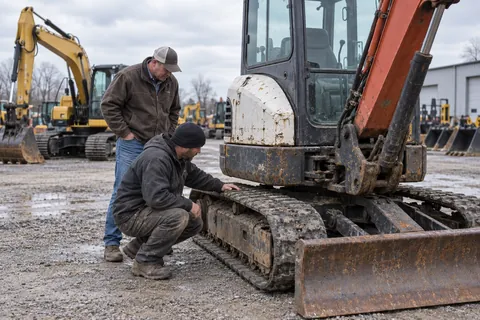
A softer used-equipment market can create buying opportunities, but a falling index cannot tell a contractor whether a particular machine is good value. The useful comparison starts with equivalent capability and ends with the cost of putting dependable equipment to work.
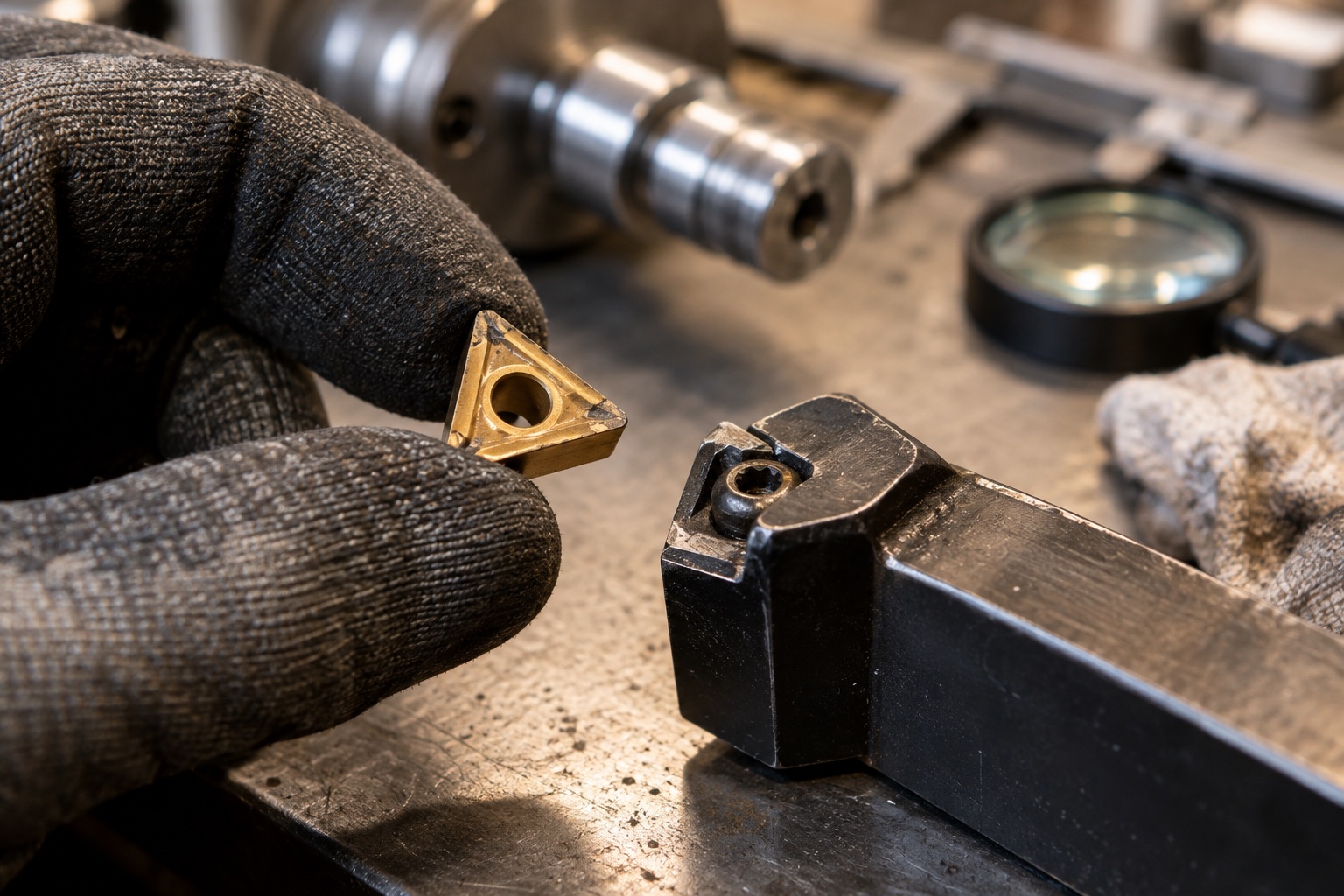
A research paper can identify a promising cutting-tool design without proving that it will lower the cost of a finished part. The useful work for a machine shop begins with separating the measured result, the simulated result and the production question that remains unanswered.
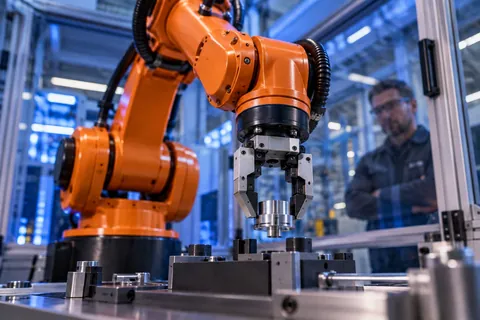
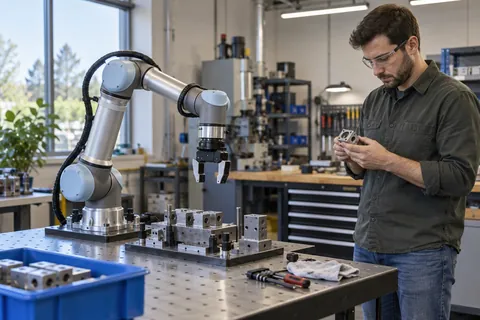
A collaborative robot is useful when its capabilities fit a well-defined task and the complete workstation can deliver the required production result. The arm's payload and reach are only the beginning. Tools, parts, people, fixtures and recovery from interruptions all shape the application.