PACK EXPO Las Vegas 2025: machinery meets production decisions
Packaging machinery, automation and materials came together around the practical challenge of improving a working production line.
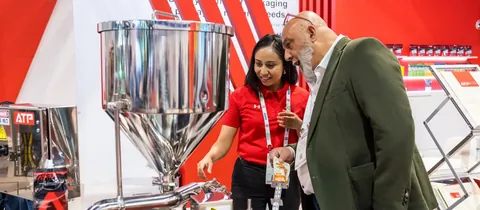
PACK EXPO Las Vegas ran September 29–October 1, 2025, at the Las Vegas Convention Center. Produced by PMMI, the event connected packaging and processing suppliers with teams evaluating changes to their manufacturing operations.
The scale, with the numbers in context
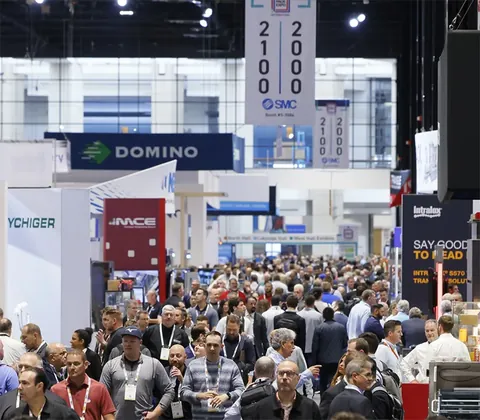
PMMI reported more than 30,000 attendees and 20,000 exhibitor personnel, together representing around 50,000 participants. More than 2,300 exhibitors occupied approximately one million net square feet.
The distinction matters: the total includes people staffing exhibits. The show’s breadth gave production teams access to equipment and material suppliers across more than 40 vertical markets.
Visitor and exhibitor perspectives
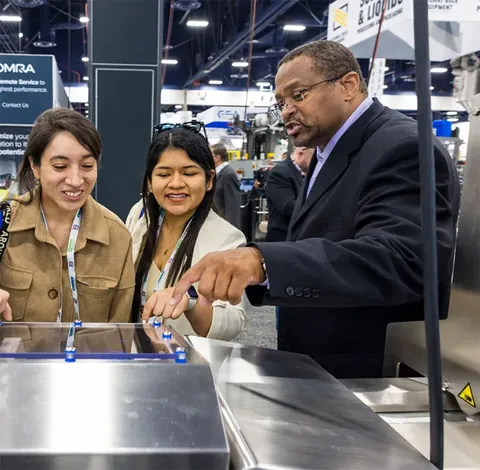
In PMMI’s recap, Sargento’s Tedd Guttmann described looking at technology from other sectors for potential use in food production. Nexeo Plastics’ Lindsay Bosnjak reported stronger-than-expected booth traffic during the company’s first appearance.
Those perspectives show two different uses of the same event: discovering an unfamiliar approach and establishing new commercial contacts. Neither replaces the application testing needed before an equipment decision.
A line is more than its fastest machine
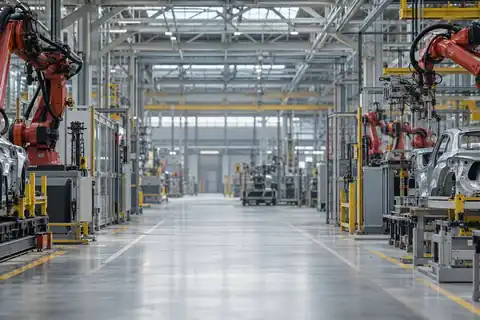
The exhibition covered automation, robotics and packaging materials alongside processing and packaging equipment. That combination makes the interfaces between machines an important part of the conversation.
A useful comparison examines changeover, inspection, rejected product and the flow into and out of each machine. Increasing one machine’s capacity may not improve total output if another part of the line remains the constraint.
Materials need production trials
Packaging-material changes deserve the same practical scrutiny as machinery purchases. A new format should be assessed against the product, the intended handling conditions and the equipment that will run it.
Ask suppliers to define a trial using representative materials and products, with agreed acceptance criteria. Include setup time, waste and operator requirements so that the result reflects normal production rather than an ideal demonstration.
Recognition and the next conversation
PMMI’s recap noted recognition of R.A. Jones’ 120-year anniversary during the event. Alongside new technology, the show brought attention to the supplier relationships that support production over time.
The most useful next step is a documented application review with the people who will specify, operate and maintain the equipment. It gives each team a chance to identify requirements before a proposal becomes an investment decision.
Source: PMMI; archive photos courtesy of PACK EXPO Las Vegas