Farm Progress Show 2026: agronomy, drones and the value of seeing technology at work
The September 1–3 show in Boone, Iowa, paired crop plots and machinery demonstrations with a closer look at agricultural drones and recognition for the people shaping farming.
For agricultural buyers, a product announcement is only the start of the conversation. The next questions are practical: how does it work in the field, what does it require from an operator, and where might it fit within an existing farm business? Farm Progress Show 2026 offered several ways to explore those questions. This report draws on the organiser’s published information and Farm Progress reporting, rather than on-site interviews by Resetrade.
The event at a glance
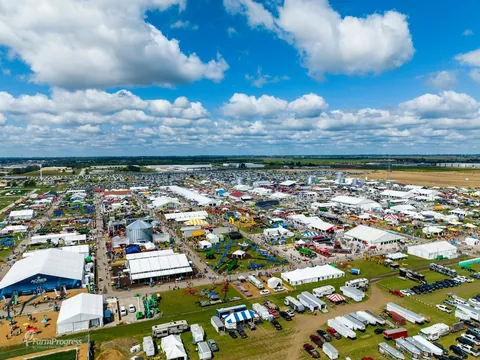
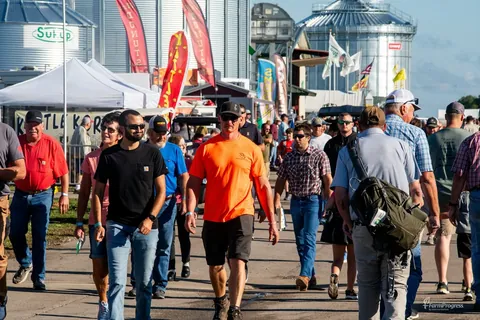
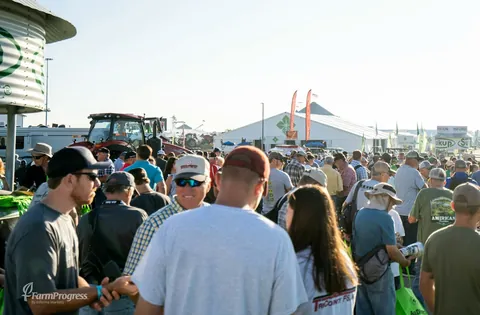
Farm Progress Show took place in Boone, Iowa, from September 1 to 3, 2026. In its September 8 post-show report, the organiser said nearly 600 exhibitors participated. Its programme brought equipment launches, demonstrations and agricultural technology into the same setting.
The organiser also reported that bookings taken through its new on-site rebooking office for the 2027 show equalled 28% of paid booth square footage from 2025. That is a floor-space comparison, not a count of exhibitors returning.
The release did not provide a final numerical attendance total for 2026. Figures from earlier editions should therefore not be presented as this year’s result.
Agronomy moves into the field
The Agronomy Zone added crop plots developed through the show’s expanded relationship with Ag PhD and Brian and Darren Hefty. The official programme described professionally managed, research-grade plots intended to let visitors compare products under growing conditions, with guided tours scheduled each day.
For a buyer, that format can make a discussion more specific. Questions about trial conditions, management practices and the relevance of a result to another farm matter alongside the product itself. A demonstration is a useful starting point for evaluation; it is not a substitute for evidence from the conditions in which a farmer intends to use the product.
A closer look at agricultural drones
The Drone Zone made its Boone debut in 2026, following its introduction at the 2025 show in Decatur. Farm Progress’s advance reporting described demonstrations in which agricultural drones sprayed water over corn, allowing visitors to compare equipment in operation.
That distinction matters: the feature was new to the Boone venue, rather than entirely new to Farm Progress Show. For prospective users, the useful follow-up questions concern application requirements, operator training, support and how aerial equipment would fit alongside existing field operations.
Machinery beyond the display stand
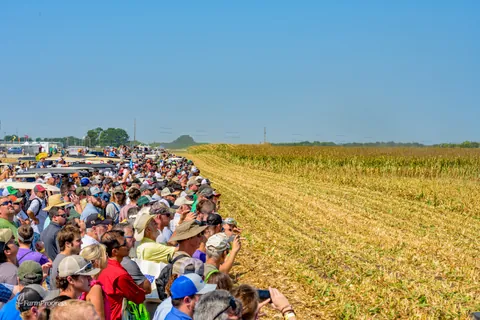
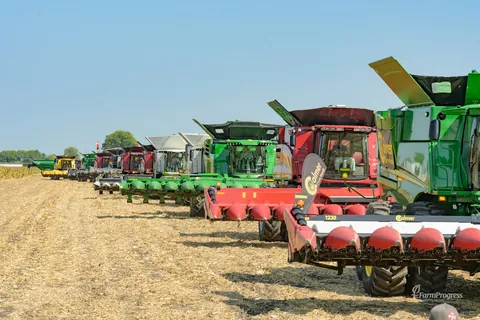
The official field-demonstration programme offered equipment in live operation and opportunities to speak with product specialists. It positioned the demonstrations as a way to connect machinery and implements with the people able to explain their use.
Our editorial takeaway is that the strongest equipment conversation connects a demonstration to a working requirement. Buyers can ask what setup was used, what conditions affected performance, which tasks still needed an operator, and what support would be available after purchase. Seeing a machine work is valuable; understanding the circumstances behind that performance makes the observation more useful.
Recognition for women in farming
Wendy Johnson of Charles City, Iowa, received the inaugural Women in the Field: Producer of the Year Award. Farm Progress reported the announcement on September 2, identifying Johnson’s regenerative approach to farming and practices including cover crops, no-till and livestock grazing.
The other finalists were Karen Makamson Edwards of Mississippi, Doris Scully of Indiana and Lisa Tate of California. Their recognition widened the conversation beyond new equipment to the people making decisions about land, business resilience and the future of their operations.
What the show leaves buyers to consider
The programme brought together three different ways of learning: comparing products in plots, watching equipment operate, and hearing about the choices made by other producers. For Resetrade, that combination is what makes an agricultural trade show worth examining beyond its launch announcements.
The next step for an interested buyer is to turn a promising demonstration into a concrete assessment: request relevant trial data, discuss compatibility and service, and work through costs against the needs of the operation. Those follow-up conversations are where a show-floor idea starts to become a practical decision.
Source: Farm Progress (archive photos courtesy of Farm Progress Show)