Dakotafest 2026: machinery, livestock and the business of farming
The South Dakota gathering brought equipment demonstrations and farm-business discussions into the same outdoor showground.
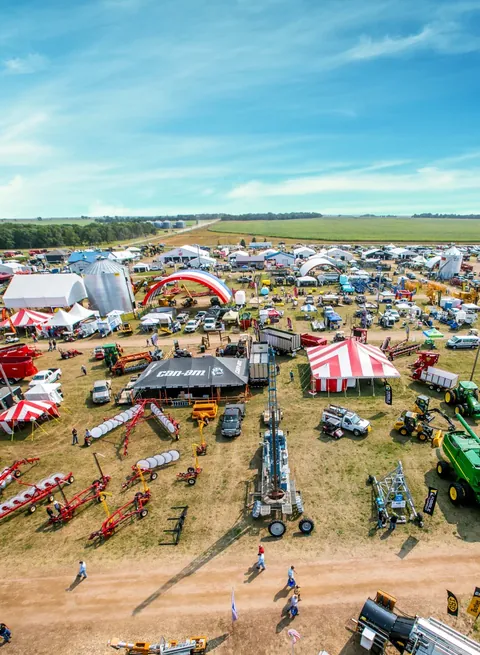
Dakotafest’s 2026 edition ran August 18–20 in Mitchell, South Dakota. The event’s mix of machinery, livestock equipment and educational programming reflected the range of decisions agricultural businesses make beyond a single crop or machine.
An outdoor meeting place for agriculture
The organizer describes an exhibition of more than 400 suppliers across agricultural products, services and technology. The show site is on East Spruce Street in Mitchell.
For producers, a broad supplier base can make comparisons more productive. It allows discussions about machinery to sit alongside conversations about buildings, inputs and the other requirements of an operating farm.
Demonstrations with a practical purpose
The published program included live demonstrations and a Skid Steer Rodeo. Livestock programming brought equipment demonstrations and education into the same visit.
The useful questions are often specific to the operator: visibility around an attachment, ease of access, control layout and how quickly the machine can be prepared for a different task. A brief demonstration can help identify what deserves a longer local trial.
Farm decisions beyond machinery
The education schedule addressed farm succession, agricultural markets and livestock topics. Dakotafest also included a Women in Ag program and its Woman Farmer/Rancher of the Year award.
These subjects matter because an equipment purchase rarely stands alone. Staffing, the direction of the business and expected workloads affect whether a new capability will be used consistently.
Turning conversations into useful follow-up
A good post-show shortlist should record the application discussed, the contact responsible for the next step and the information still needed. Keeping those details together makes it easier to compare proposals fairly.
For mixed crop and livestock operations, the strongest option may be the equipment that fits several recurring tasks. Testing that fit against real workloads is more useful than assuming the largest or newest machine will be the best choice.
Source: IDEAg Group / Dakotafest; archive photograph courtesy of the organizer