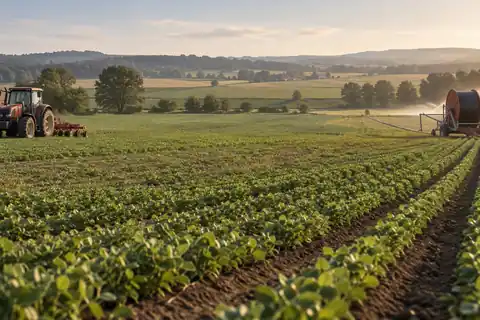
Husker Harvest Days 2026: equipment in working conditions
A look back at the Nebraska show’s practical emphasis on machinery, farm operations and direct conversations with equipment suppliers.
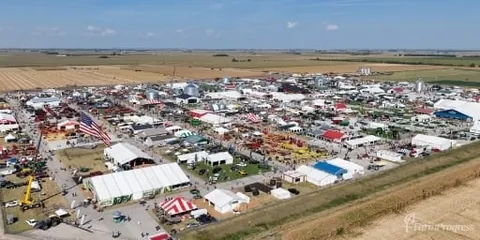
Husker Harvest Days was held September 15–17, 2026, at the showgrounds near Grand Island, Nebraska. The venue’s Wood River address and agricultural setting distinguish it from an indoor equipment exhibition.
A show built around the farm
Farm Progress positions Husker Harvest Days as an irrigated working-farm show. Its format puts machinery displays and agricultural expertise in the same setting as the operations the equipment is designed to serve.
That setting makes an important distinction possible: comparing what a machine is designed to do with what a particular farm needs it to do. Soil conditions, work windows and operator experience all belong in that discussion.
Looking beyond the specification sheet
The event’s machinery focus gives producers a reason to talk through operation and support with manufacturers and dealers. For a machinery comparison, headline capacity is only the beginning.
A practical assessment should include the time required to adjust the machine, change an attachment, clear a stoppage and carry out routine service. Producers should also ask which results depend on conditions that may differ from their own fields.
Technology that fits the existing operation
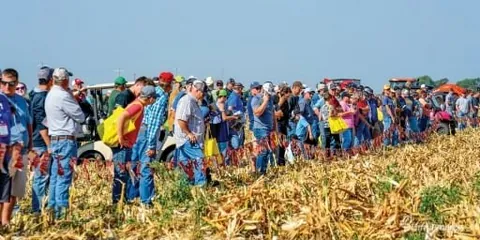
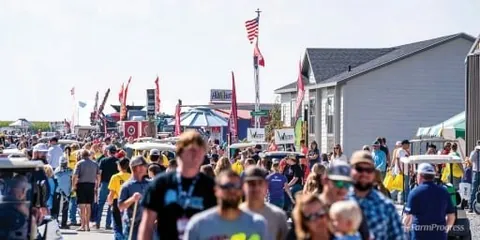
The published Ag Tech Pavilion program brought precision agriculture, automation, AI, robotics and connectivity together. Farm Progress presented the pavilion with The Combine and the University of Nebraska, with expert panels focused on practical implementation.
Agricultural technology is most useful when its role in the wider operation is clear. A new tool may need to work with existing guidance equipment, implements, records and dealer support.
Before committing to an upgrade, it is worth identifying what can be retained, what must be replaced and who is responsible for making the components work together. That can be more informative than comparing feature lists alone.
The work after the show
The next step after an equipment conversation is a specific follow-up: a local demonstration, an itemized proposal or a service review with the dealer who will support the purchase.
For Resetrade, the lasting value of this working-farm format is the opportunity to ask operational questions early. A suitable machine should fit the farm’s workload and support arrangements as well as its investment plans.
Source: Farm Progress / Informa Markets; archive photos courtesy of Husker Harvest Days