CES 2026: industrial technology beyond the demonstration
Robotics, connected equipment and AI gave manufacturers and equipment operators reasons to look beyond CES’s consumer-electronics roots.
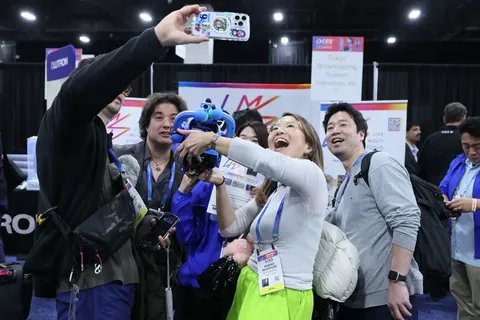
CES 2026 ran January 6–9 in Las Vegas. For the industries that build, grow and move essential goods, the interesting question was how the technology on display could work outside a controlled demonstration.
A large meeting point for technology
CTA’s independently audited count, released March 31, recorded 148,392 participants. Its closing report also listed more than 4,100 exhibitors, including around 1,200 startups, across 2.6 million net square feet.
Scale creates opportunities to compare approaches, but it does not establish that a product is ready for an industrial site. Deployment history and support capacity remain important distinctions.
Heavy equipment in the technology conversation
CTA’s mobility recap included Caterpillar, Doosan Bobcat, John Deere and Oshkosh among the exhibitors. Their presence connected the show’s technology discussion with construction, agriculture and specialist vehicles.
For fleet operators, the useful questions concern compatibility with existing machines, connectivity in the working environment and the actions a system takes when it encounters an unexpected condition. These details determine how easily a demonstration can become a working process.
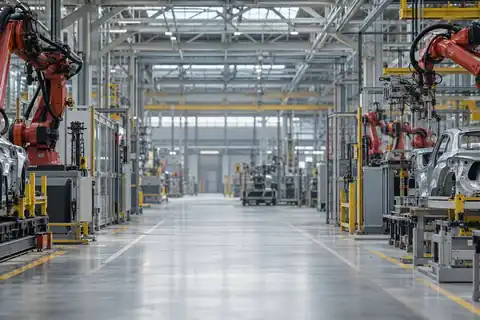
Robotics needs an operating plan
Robotics and AI were prominent themes in CTA’s account of the event. Their relevance to manufacturing extends from physical tasks to the information used to run equipment.
A worthwhile evaluation starts with a defined task and a baseline: cycle time, errors, staffing requirements and maintenance effort. A trial should also account for changeovers and interruptions. The result should be a comparison against the existing process, with responsibility for integration clearly assigned.
What deserves a follow-up
CES offered a broad view of technology directions rather than a single industrial purchasing list. The strongest follow-up is a narrower conversation with a supplier about a specific application.
Before advancing a pilot, buyers can request a realistic installation plan, a support contact, clear data-access terms and evidence from comparable operations. That turns interest generated on a show floor into a project that can be evaluated on its own merits.
Source: Consumer Technology Association (CTA); CES 2026 photograph courtesy of CTA