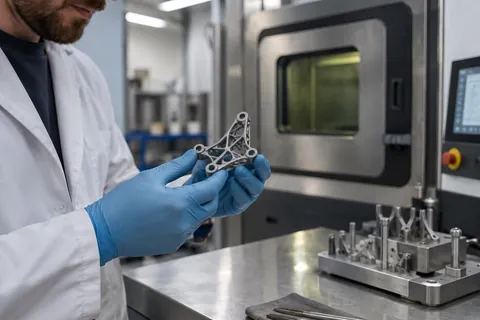
A printed component becomes a production part when a manufacturer can repeatedly deliver it with the required properties, documentation and cost. An impressive shape or a successful first build is an earlier milestone. Qualification is the work that connects the two.
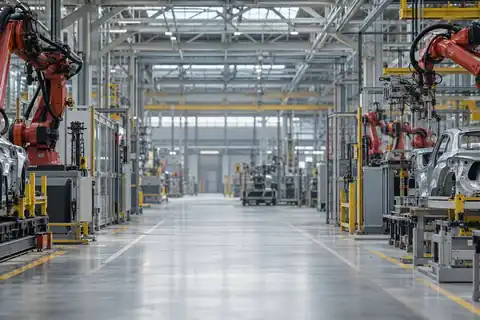
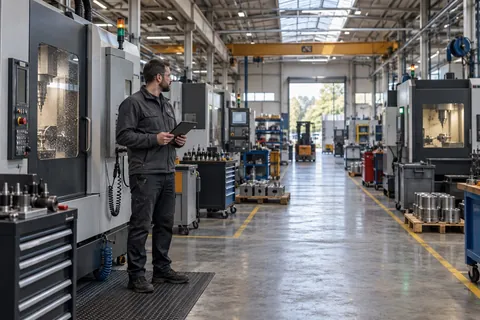
An apparently quiet factory can still need new equipment. A crowded one can make a poor investment. Capacity utilization becomes useful when it is connected to the products a plant can make, the constraints it faces and the orders it can profitably deliver.
Cybersecurity is becoming a more explicit condition of doing business in the US defense supply chain. The acquisition rule effective from 10 November connects CMMC status with applicable contract requirements, making information handling a commercial issue for manufacturers as well as a technical one.
Manufacturing can be growing while many factories still experience weak orders. The apparent contradiction often comes from combining indicators that measure different countries, industries, periods, or types of activity.
Strong export shipments can mean customers are consuming more, but they can also mean goods are moving earlier than usual. In 2025, distinguishing those explanations has become essential for manufacturers deciding how much capacity, inventory and working capital to commit.
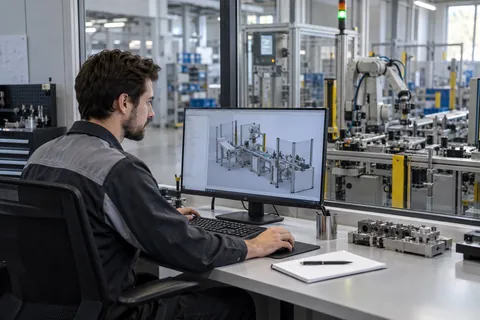
A digital twin earns its place in a factory when a synchronized model improves a specific operating decision. A detailed three-dimensional display can help people understand a process, but visual realism alone does not show that the model predicts the right outcome or remains aligned with the equipment.
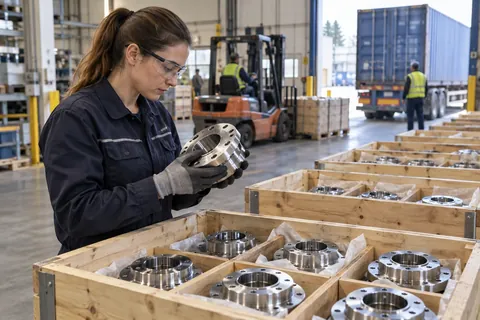
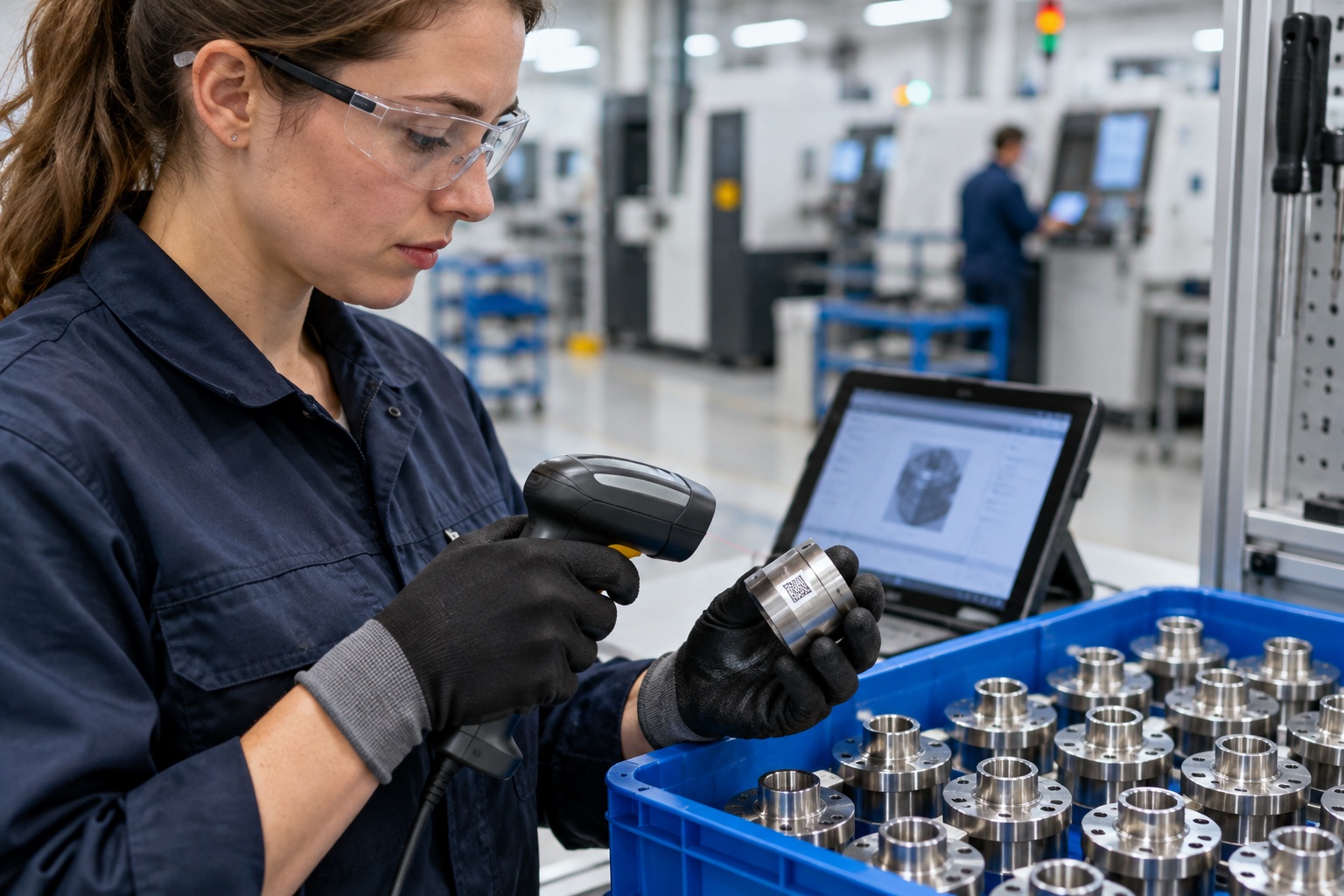
A factory can scan every container and still struggle to answer a customer’s traceability question. The missing information may sit between systems: a material lot was split, a component was reworked or a supplier’s identifier was replaced during receiving without preserving the connection.
A factory does not buy an inspection system to achieve a benchmark score. It buys a way to find unacceptable parts, avoid unnecessary rejection and keep production moving. New industrial anomaly-detection research makes the gap between those objectives increasingly clear.
The US tariff on specified automobile parts took effect on 3 May 2025, turning a policy announcement into an immediate supply-chain calculation. For manufacturers, the headline rate is only the beginning: product classification, origin eligibility, importer responsibility and the destination of the component can change the result.
A digital twin can present a convincing picture of a machine while giving an unreliable answer about its next operating condition. Manufacturers need evidence that the model is suitable for the decision being made, alongside evidence that its data connection works.