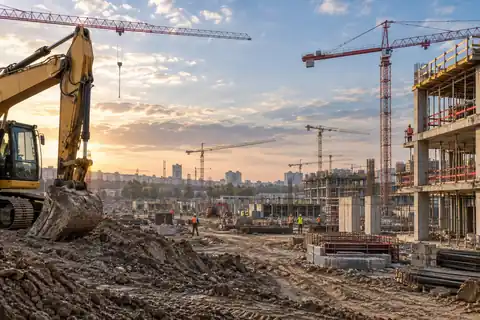
A contractor can have an uncertain order book and still face a serious skills problem. The June 2026 Construction Workforce Outlook brings that tension into focus: recruiting only when work is confirmed can leave the industry without the experience needed when projects finally move forward.
The UK government’s May response on low-carbon industrial products strengthens the direction of travel for construction procurement. Buyers are being encouraged to compare the embodied emissions of steel, cement and concrete more consistently, while producers need clearer information about what future customers will accept.
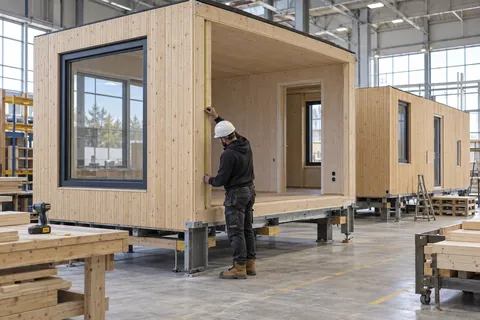
Factory-built housing becomes compelling when repetition, a reliable order book and difficult site conditions reinforce one another. Moving construction indoors can change how work is organized, but the commercial result still depends on design decisions, transport and the connection between factory and site.
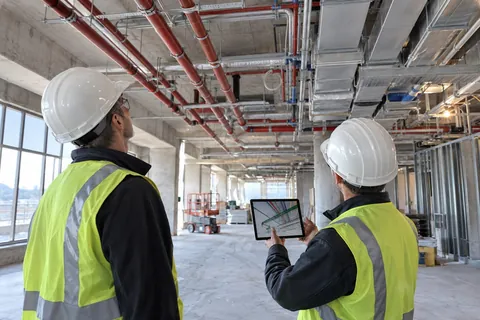
A clash found on a screen has little value if the decision that resolves it never reaches the people installing the work. Digital construction delivers through that connection: between design information, an agreed decision, and a change in what happens on site. Buying modelling software is only one part of it.
A factory can deliver a well-made building module while the completed building still encounters problems at its connections. Recent research makes the boundary between factory production and site assembly an important place to examine modular construction claims.
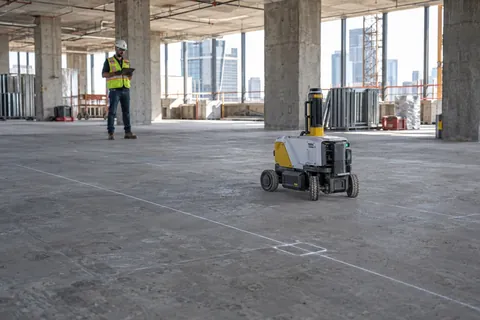
Construction robots are beginning to produce useful evidence beyond short demonstrations. The strongest examples still concern specific tasks under identifiable conditions. A robot that prints coordinated layout, assembles a test frame or surveys a structure should be evaluated against the work it actually performs.
A construction estimate is a bundle of different markets. Steel, timber, skilled labor and the money needed to carry work in progress can move in different directions. Applying one inflation percentage to the whole job can conceal the packages that put the margin at risk.
A large project pipeline can justify watching a market more closely. Hiring crews, buying equipment, or reserving production capacity requires a different kind of evidence: a credible route from the announced project to work that will actually be procured and delivered.
A large stock of aging buildings creates a need for work, but it does not automatically create a funded retrofit market. The commercial opportunity depends on who can pay, which problems need attention first and whether the proposed work delivers benefits that occupants value.
The latest global buildings assessment brings attention back to a practical question: who checks whether an efficient design becomes an efficient building in use?
England’s latest changes to Approved Document B make fire-safety specifications an immediate procurement issue. A tender issued from an old template can miss a change even when the designer, contractor and product supplier each believe their own documents are current.