
Work Truck Week 2025: choosing vehicles around the job
Vehicle launches and drive opportunities gave commercial fleet teams a basis for comparing equipment against daily operating demands.
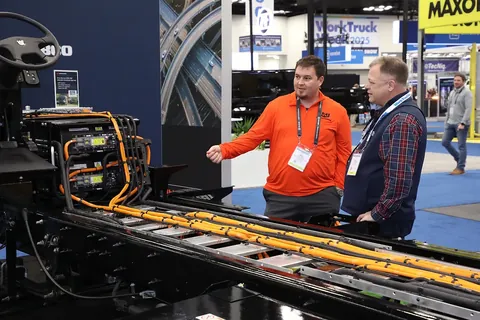
Work Truck Week 2025 ran March 4–7 at the Indiana Convention Center in Indianapolis. Produced by NTEA, the event combined the Work Truck Show with education, supplier meetings and opportunities to experience commercial vehicles.
A record edition for NTEA
NTEA reported a verified 16,413 industry professionals from all 50 U.S. states and 31 countries. The sold-out exhibit space accommodated 549 companies across the main hall and New Exhibitor Pavilion.
Those numbers describe a varied audience with different operating needs. A utility service body, delivery vehicle and construction support truck may share components while placing very different demands on them.
What the organizer heard
NTEA president and CEO Steve Carey highlighted new products and engagement in education, and said companies were already discussing future introductions before the show closed.
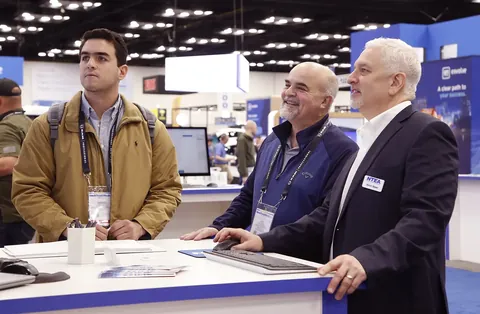
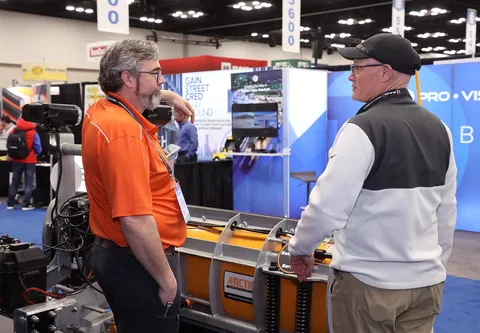
The value of that activity for a buyer depends on the detail obtained. A useful supplier meeting addresses body configuration, service access and application requirements, rather than ending with a model name and a brochure.
A chance to experience the vehicle
The March 5–6 Ride & Drive offered 20 vehicles spanning Classes 2–8. NTEA described a mix of electric models and internal-combustion vehicles, with hundreds of attendees participating. The program also included updates from 15 chassis manufacturers.
A short drive can help a team assess visibility, controls and entry or exit. It cannot reproduce a full duty cycle with the fleet’s normal payload, route and auxiliary equipment. Those conditions belong in the follow-up evaluation.
Specify the work before the powertrain
Start with what the vehicle must carry and the equipment it must operate. Define storage, working access and the time spent traveling or stationary. Then compare configurations against that brief.
For any powertrain, the ownership discussion should include service arrangements and the facilities available to support it. The right comparison is between workable configurations for a defined job, not between headline specifications alone.
A more useful fleet review
The show creates a chance for purchasing, operations and maintenance to examine the same vehicle. Each group will notice different things, from component access to the placement of tools used every day.
Bring those observations together before the specification is finalized. It is easier to resolve a mismatch on paper than after a completed truck arrives in the fleet.
Source: NTEA, Work Truck Week 2025 closing report; photos: NTEA