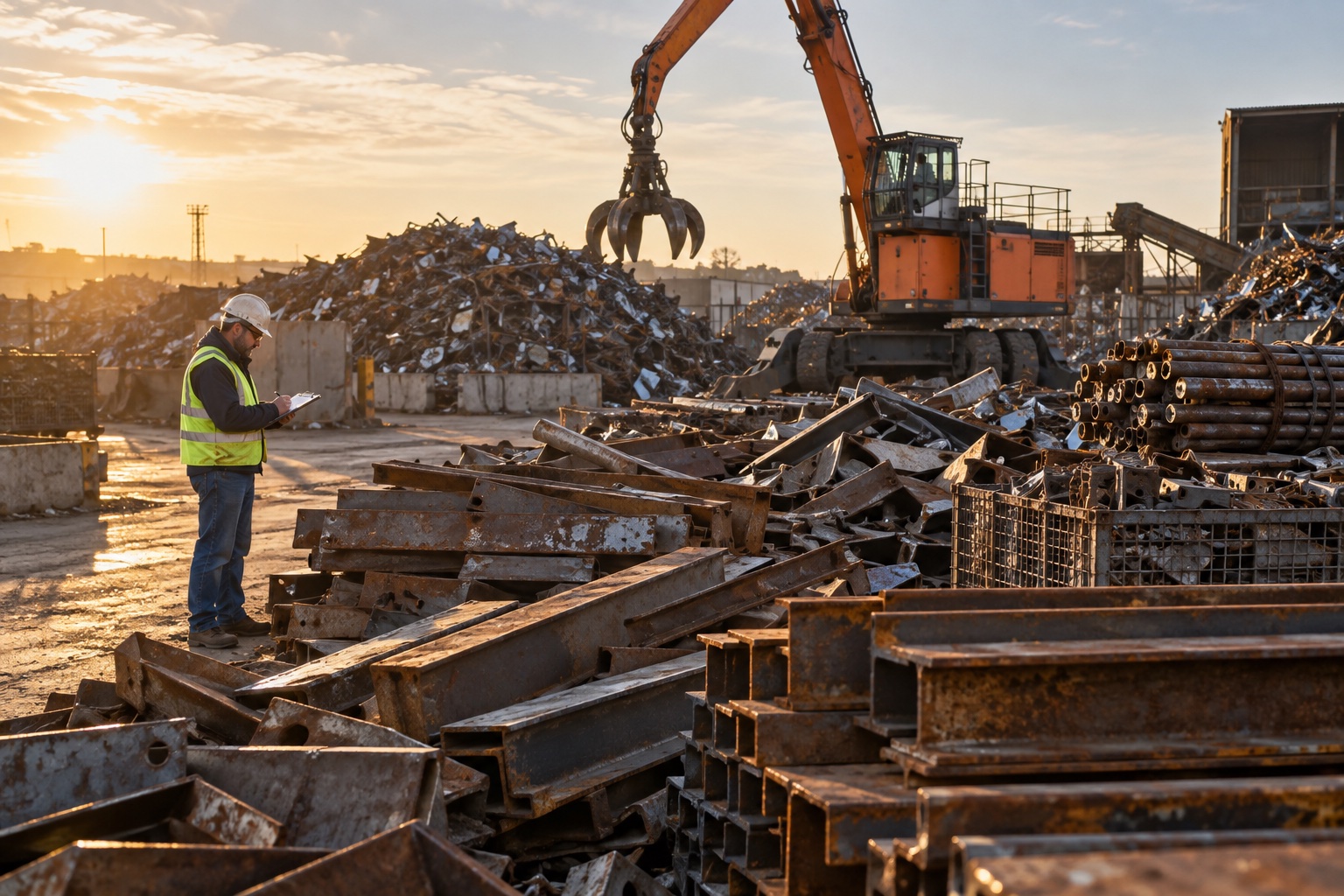
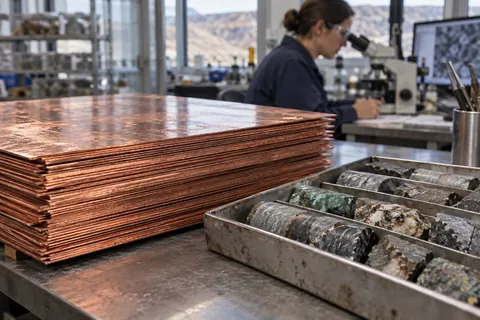
A secondary material is useful to a manufacturer only if it can arrive through a workable route and meet the receiving process’s requirements. The EU waste shipment changes taking effect in May make that connection between trade administration and physical material quality harder to ignore.
A package can be designed to recycle and still fail to reach a recycling process. Collection access, sorting behavior, material compatibility and demand for the recovered output each influence the result. Recyclability is therefore a relationship between a design and a working system.
A material made partly from plants tells a buyer something about its feedstock. It does not, on its own, establish durability, a lower environmental footprint, recyclability or successful composting. Those are separate properties that need separate evidence.
There is no single recycled-plastic discount. A qualified recycled grade can cost more than its virgin counterpart, while another recycled material sells for less. Polymer type, color, permitted application, consistency and delivery terms determine whether two prices are meaningfully comparable.
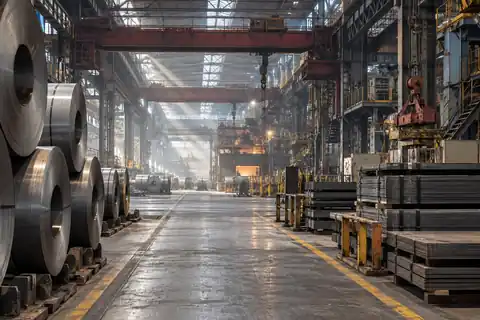
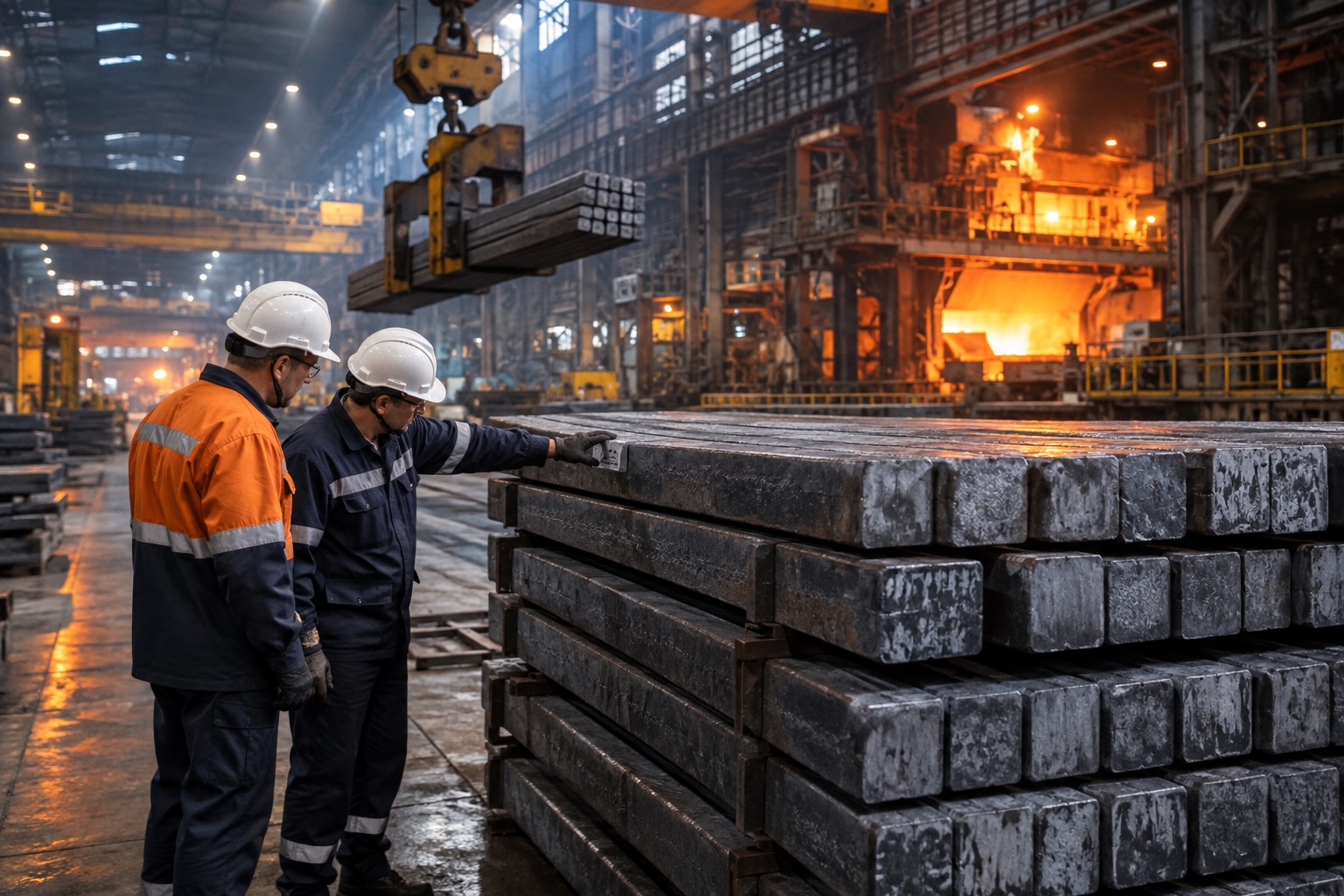
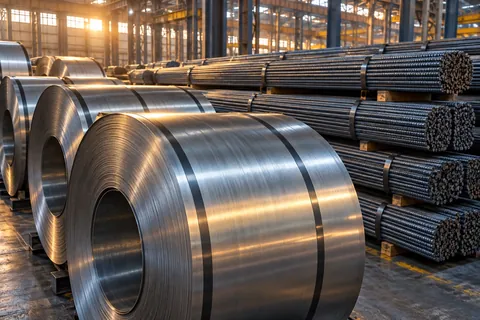
Electric furnaces, hydrogen-based ironmaking and carbon capture describe different ways to change steel production. For a material buyer, the technology label is only the beginning: the actual inputs, operating status and emissions boundary determine what a supplier's claim means.
The EU’s October changes to the Carbon Border Adjustment Mechanism simplify obligations for many smaller importers. For steel producers supplying customers that remain in scope, however, the commercial task is still substantial: connect the exported product to credible production and emissions information.
A flat global steel-demand forecast can conceal very different conditions for a stockholder, mill, fabricator, or buyer. The relevant question is which products, customers, and regions sit behind that average.
Reducing clinker can lower the emissions associated with cement, but a useful construction material still has to meet the demands of its intended application. Strength development, durability, workability and reliable supply belong in the same discussion as the clinker percentage.
Lower mineral prices can make industrial procurement look easier while leaving supply chains highly exposed. Price describes the terms of trade today. Concentration describes how many alternatives remain if a major source becomes unavailable. The two signals can move in different directions.
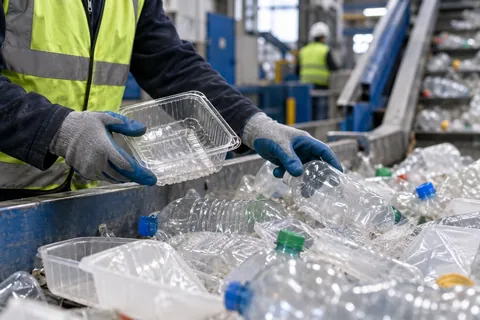
The EU’s new Packaging and Packaging Waste Regulation has entered into force, giving plastic packaging suppliers a clearer view of future recycled-content requirements. The commercial challenge is larger than finding enough recyclate: the material must also perform in the intended package and meet the requirements of its intended use.