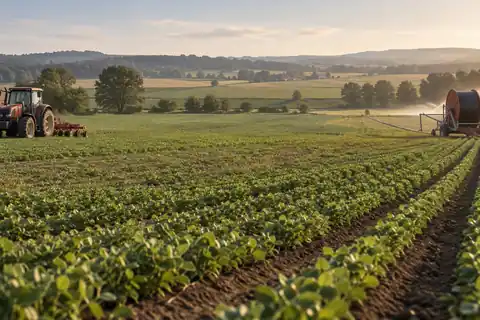
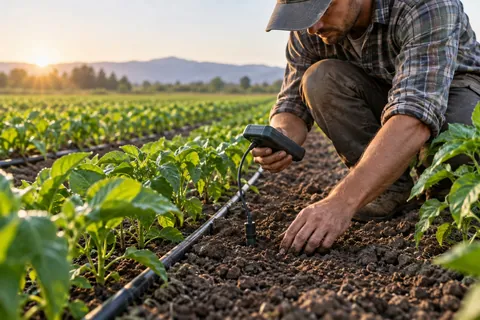
Precision irrigation can improve decisions about when and where to apply water. Whether it saves water depends on what is measured, the conditions of the field and how effectively the farm already irrigates. Applied water, crop water consumption and yield per unit of water are different outcomes.
The return of over-the-top dicamba use for tolerant cotton and soybeans changes one part of the US crop-input market. It does not make every acre, day or product interchangeable. For growers, advisers and retailers, the commercial value of an approved input depends on whether it fits a workable and lawful crop-management plan.
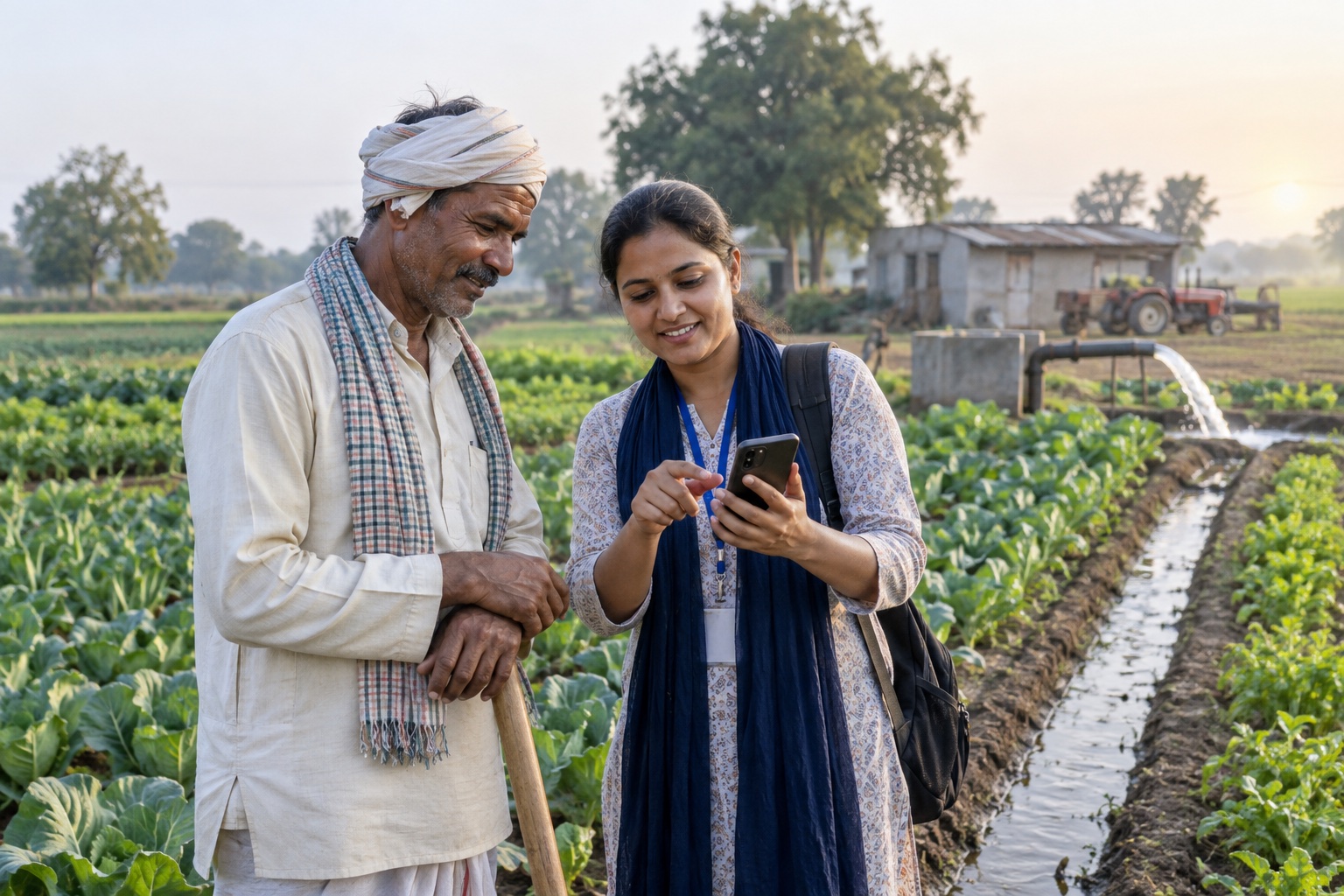
A farmer receiving a quick digital answer has gained access to information. Whether that answer improves a farm decision depends on its local relevance, the farmer's ability to use it and the support available when the situation is uncertain.
A fertilizer-price forecast is only the beginning of a farm-budget decision. The margin depends on the nutrient being purchased, the amount the field needs, the crop price and the timing of payment. A lower expected market price next year does not automatically make delaying every purchase the best choice.
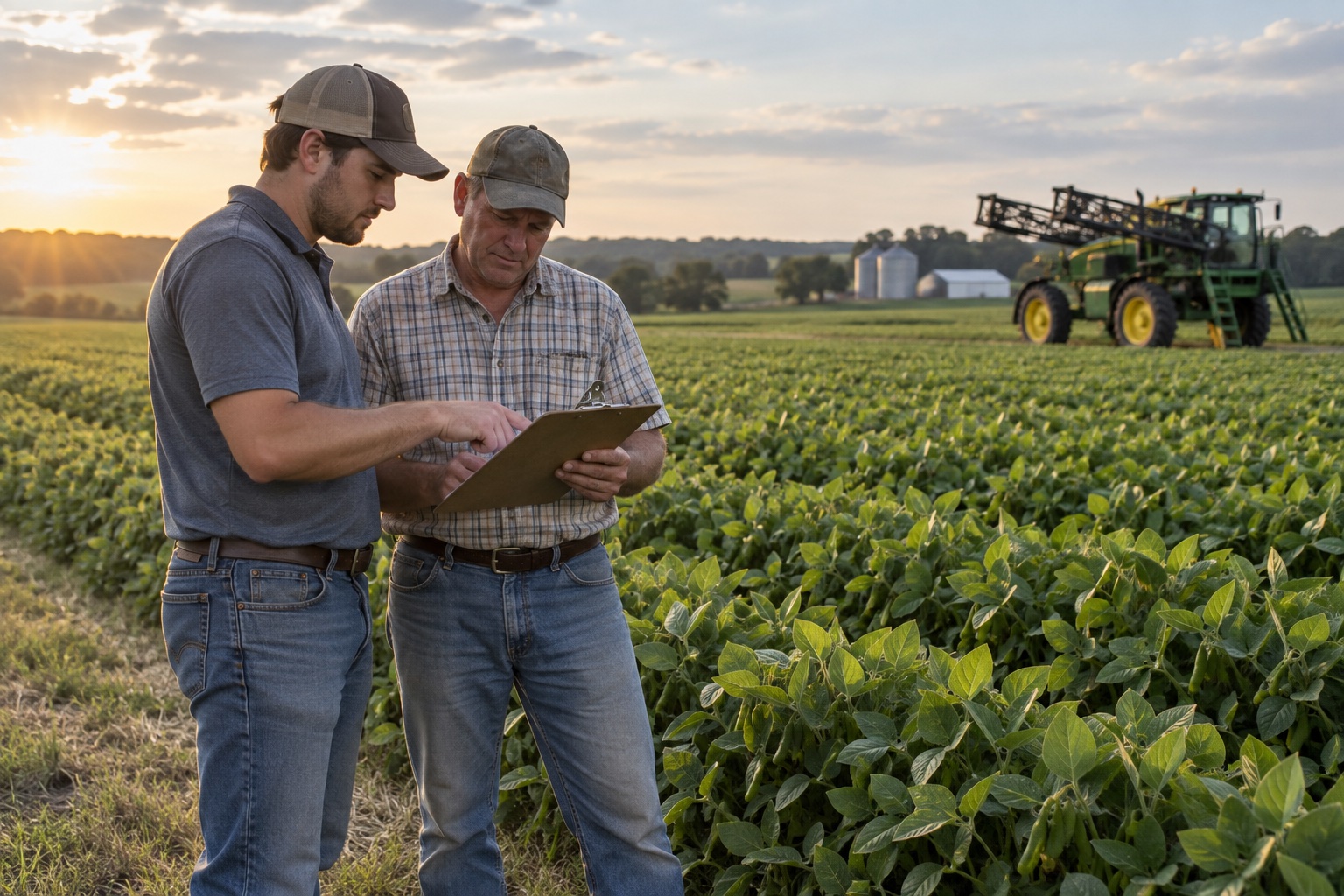
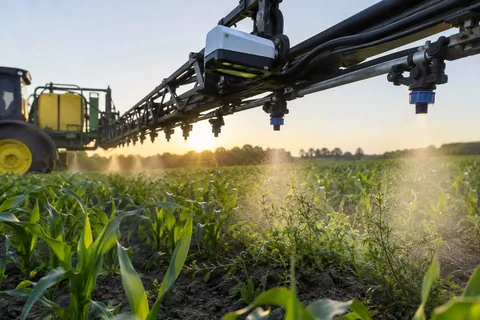
The most useful number in a targeted-spraying trial is not necessarily the largest percentage reduction in herbicide. It is the reduction achieved while maintaining effective weed control, protecting the crop and avoiding a larger weed problem in the following season.
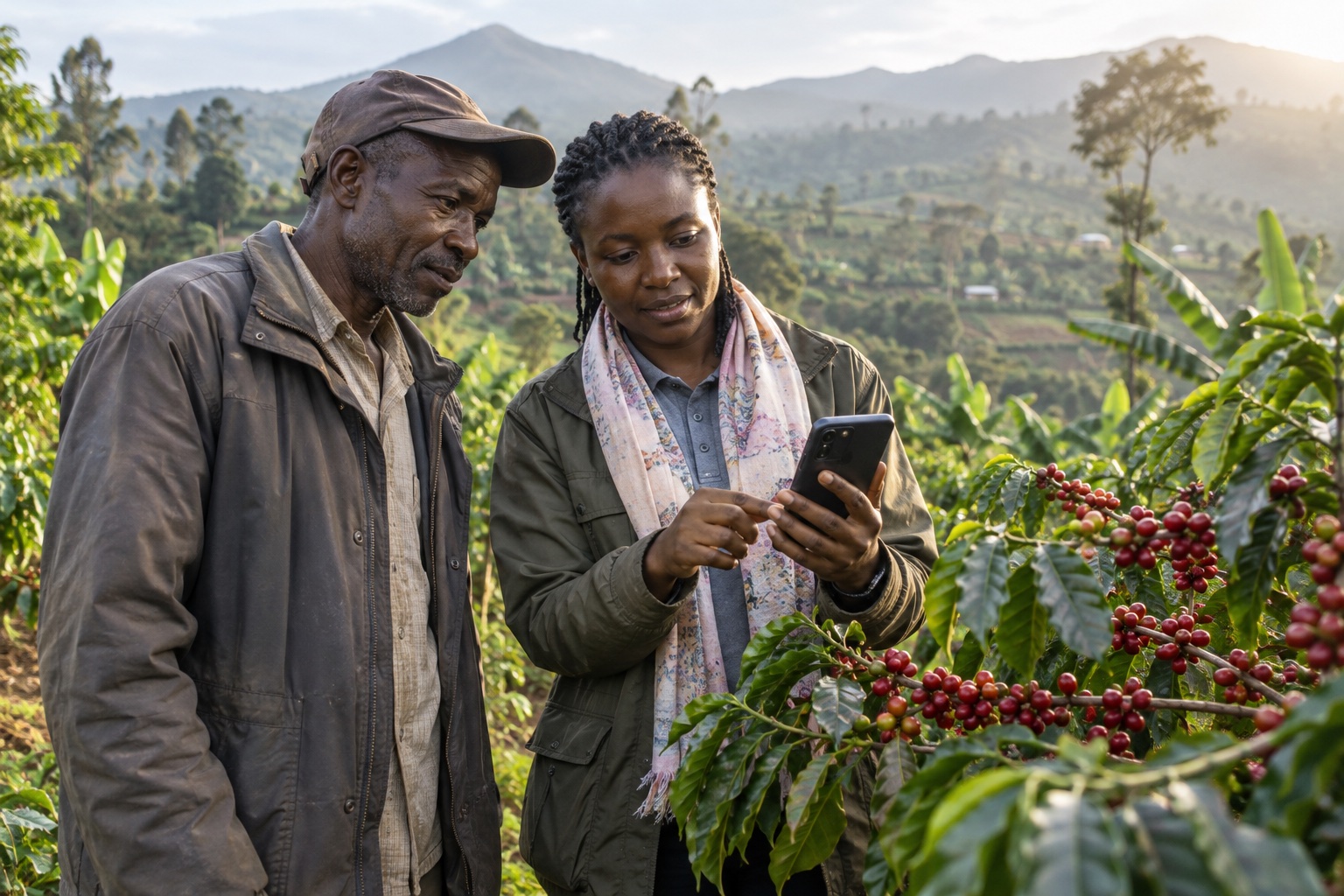
Coffee traceability increasingly begins with a farm map, but it cannot end there. A buyer needs a credible connection between the land where coffee was grown and the product that moves through a cooperative, processor and exporter. For smallholders, participation also depends on whether the system is affordable, understandable and useful beyond a single data-collection visit.
Agricultural AI is becoming easier to question in ordinary language, but a fluent answer is not the same as sound advice for a particular field. Crop, location, growth stage and the evidence available to the system can change what a useful response should contain.
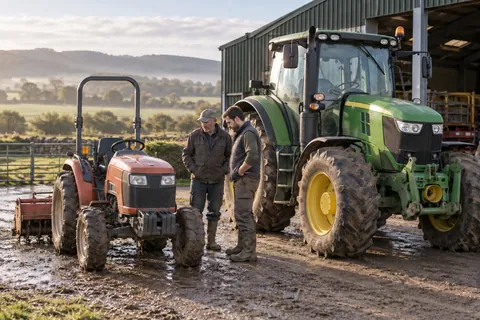
The number of farms is a poor stand-alone guide to the market for agricultural machinery. Farms differ in output, enterprise mix, labor needs and the amount of work that equipment can perform each season. They also differ in whether buying a machine is the most practical way to obtain the service it provides.
The OECD-FAO Agricultural Outlook 2025-2034 points to expanding production, but farm businesses need to separate global growth from their own selling prices and costs.
A forecast of lower agricultural commodity prices does not tell an individual farmer what next season's income will be. It describes a market under stated assumptions. Farm income depends on a more specific combination of saleable output, the price actually received, and the costs incurred to produce and sell it.
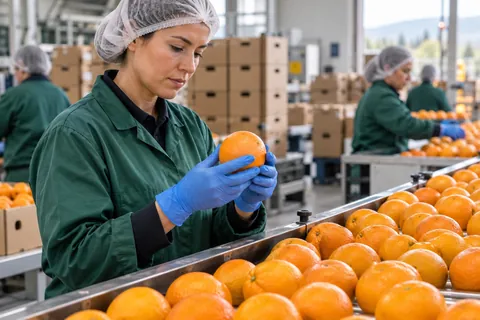
South Africa’s citrus exporters enter the 2025 season with an updated set of operational documents for shipments to the EU. The commercially important story is precise: changes to the export procedure do not necessarily mean the destination market has introduced a new rule.